
New Directory Highlights Black Therapists and Mental Health Supports Across Nova Scotia
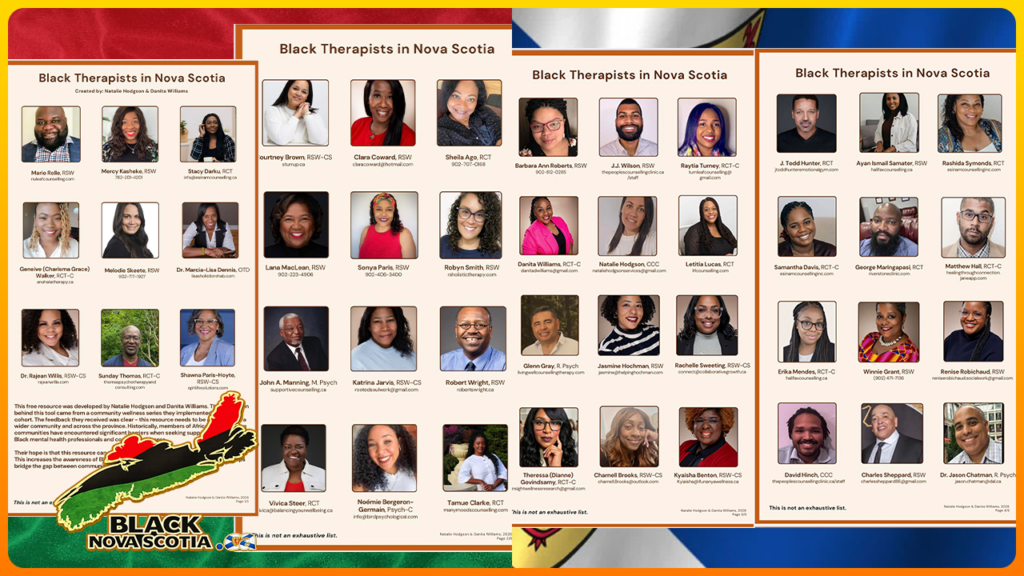
A new directory developed by Natalie Hodgson and Danita Williams highlights Black therapists, mental health professionals, and community support organizations serving African Nova Scotian and Black communities across Nova Scotia. The resource aims to improve awareness, accessibility, and connection to culturally responsive mental health services throughout the province.
Black Threads Comes to Nova Scotia: Donna Paris Brings National Black History Project Home
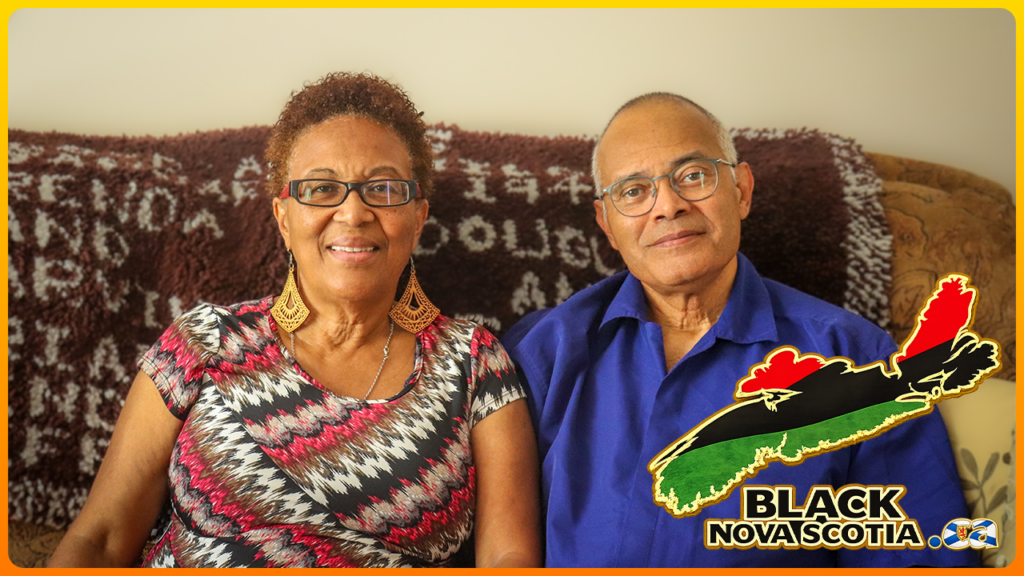
Donna Paris’ Black Threads of the Canadian Tapestry exhibition opens in Halifax March 21, with a Truro “Meet the Artists” event on March 26, highlighting Black Canadian stories through photography and oral history.
What’s Being Cut — and Why Black Nova Scotians Should Pay Attention

As Nova Scotia announces budget cuts affecting programs like Dalhousie’s Transition Year Program and initiatives supporting Black and Mi’kmaq students, questions are piling up faster than answers. With African Heritage Month events taking place this weekend, Black Nova Scotians are being asked to celebrate progress while watching programs built to address long-standing inequities quietly lose public funding.
Black History Month Is Not a Photo Op

Across Nova Scotia, African Heritage Month galas are increasingly well-attended and well-branded. What’s less clear is how much history is actually being taught. Celebration without education is not neutral — it is political. When optics replace accountability, Black History Month risks becoming symbolism without substance.
Mapping Black Canada: Donna Paris on Migration, Memory, and Erased Communities [VIDEO]

From Africville to the Prairies, Donna Paris traces the Black communities Canada encouraged, exploited, and then erased. In this interview, she explains why recovering these stories isn’t about nostalgia — it’s about correcting the record.
Environmental Racism in Nova Scotia: What Was Promised, What Was Withheld, and What Black Communities Should Take From It

For months, Nova Scotians heard about a provincial report on environmental racism not because it was released, but because parts of it leaked. When the government finally posted a draft, it raised more questions than it answered — about delay, accountability, and what justice actually looks like for Black and Mi’kmaq communities still living with the consequences. This piece breaks down what happened, why it matters, and what Black Nova Scotians should be watching for next.
The Unsung Hero of the Halifax Explosion: Dr. Clement Courtenay Ligoure (1887-1922)
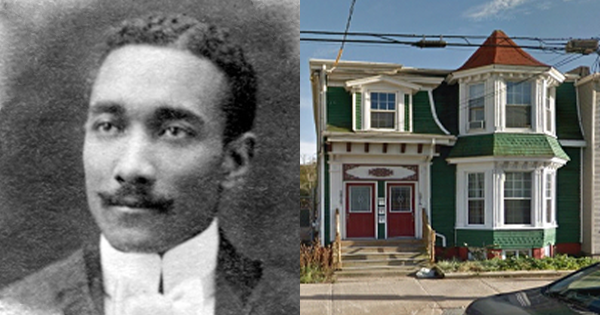
Long before Halifax rebuilt itself after the Explosion, Dr. Clement Ligoure was already doing the work—treating the injured by lamplight from a small private hospital on North Street. He never turned anyone away. He never closed his doors. And yet, for decades, his name was missing from the city’s official memory of that day.
Emancipation Day: A Reminder, Not a Celebration

On August 1st, we mark Emancipation Day, a date commemorating the formal abolition of slavery across the British Empire in 1834. But to merely mark the date is not enough. Emancipation Day must not become an annual checkbox of recognition – a brief news mention or a series of well-meaning speeches – while the deeper meanings and unfinished struggles it represents remain obscured or ignored.
North Preston Day Is Breaking News – Even When the Mainstream Won’t Say So

This year, Women With A Vision, the community-rooted organization behind the event, is once again inviting national, provincial, and local outlets to attend the 18th Annual North Preston Day & Parade, set to begin on Saturday, July 19, 2025, at 10:00 a.m. in North Preston – on unceded Mi’kmaw territory.
The Africville Lawsuit – Why It Still Matters
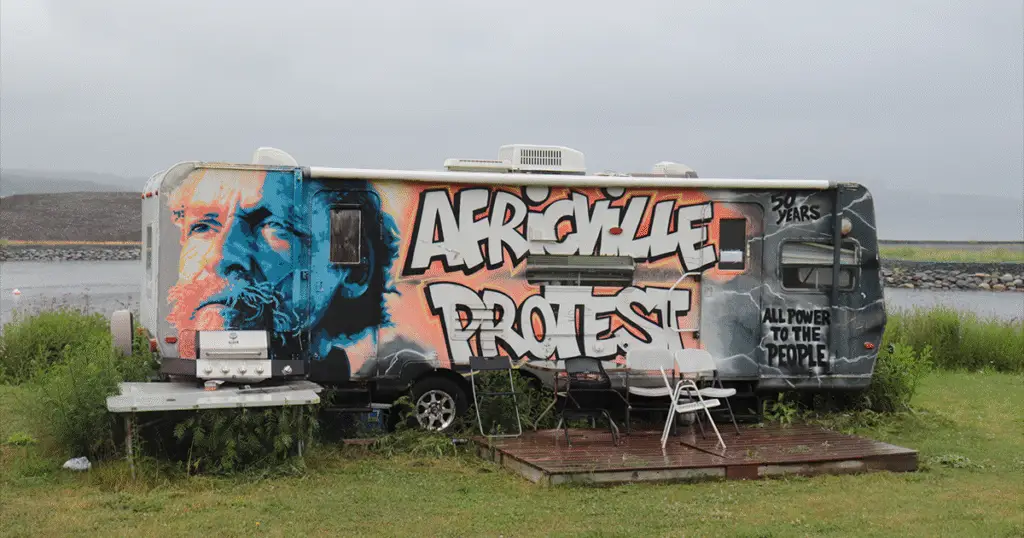
This past year, renewed legal efforts from original Africville residents and descendants, such as Eddie and Victor Carvery, have pushed back into court to seek justice that was never fully delivered. These are not just symbolic gestures. These are legal actions with real implications for land reclamation and financial redress.