On August 1st, we mark Emancipation Day, a date commemorating the formal abolition of slavery across the British Empire in 1834. But to merely mark the date is not enough. Emancipation Day must not become an annual checkbox of recognition – a brief news mention or a series of well-meaning speeches – while the deeper meanings and unfinished struggles it represents remain obscured or ignored.
Emancipation was not a gift. It was not granted out of moral clarity or benevolence. It was forced, in no small part, by the Haitian Revolution, the world’s first successful revolt by enslaved Africans who overthrew their colonizers and reshaped the future of global colonial empires. Haiti’s triumph deeply unsettled slaveholding societies, including Britain’s colonies, and set in motion a global reckoning. This legacy must not be forgotten or sanitized.
In the aftermath of Britain’s formal abolition of slavery, the meaning of “freedom” remained deeply compromised. In Canada, emancipation was followed by decades of systemic anti-Black racism and exclusion, sometimes enforced by law, other times by custom.
In Nova Scotia, Black Loyalists, Jamaican Maroons, and Black Refugees arrived before Emancipation in the British colonies, yet their experiences are undeniably tied to the struggle for freedom. These early arrivals came under British promises of land and liberty, but they were often denied the very things they were promised: pushed onto marginal land, locked out of education, segregated from white communities, and excluded from equal participation in society.
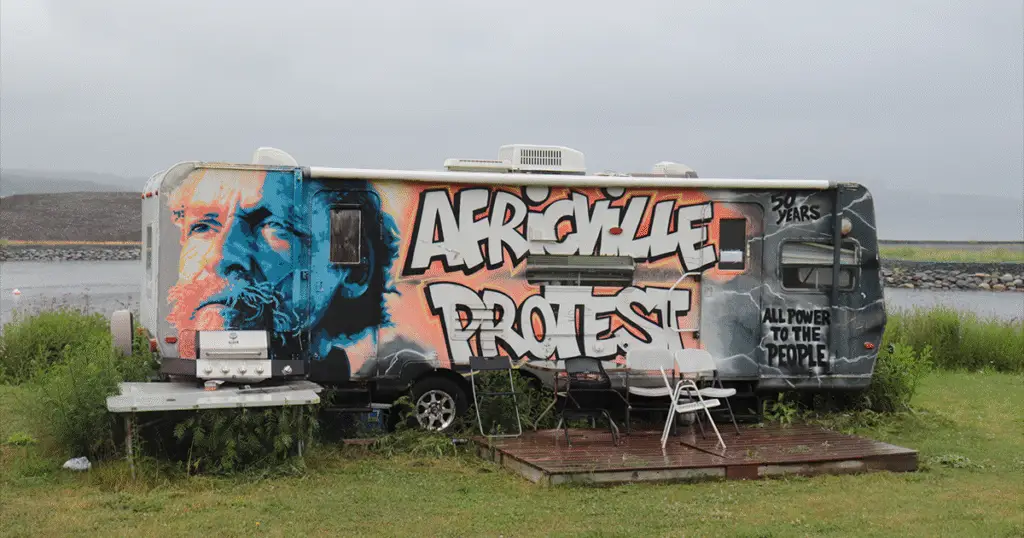
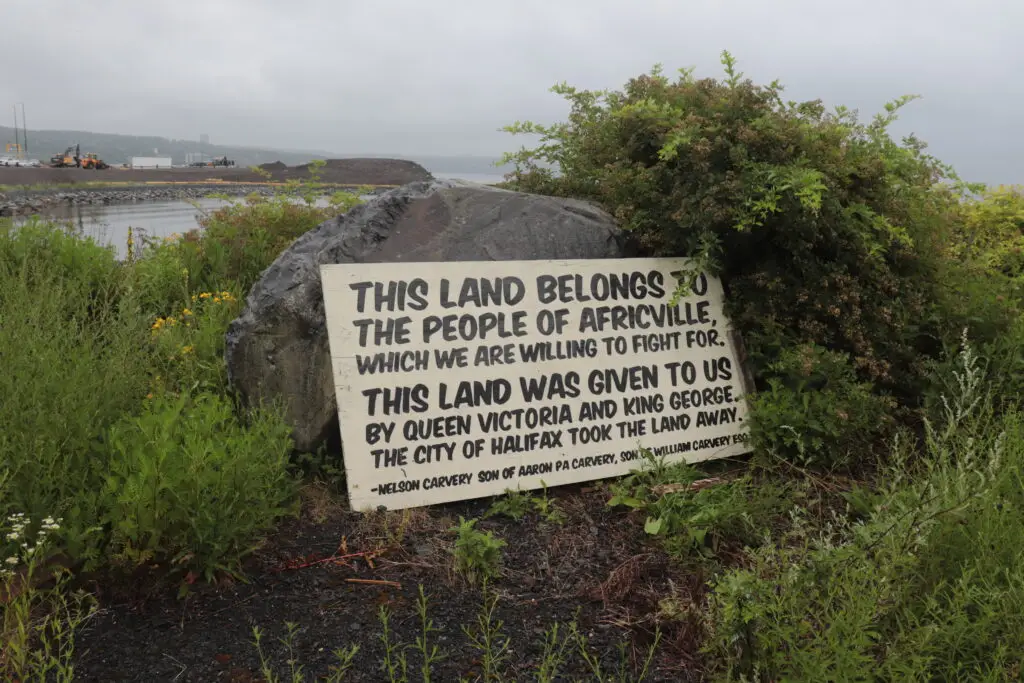
The community of Africville, established in the 1840s – after Emancipation – emerged as a place for Black families facing systemic discrimination and exclusion. Its destruction in the 1960s was not an exception but part of the ongoing legacy of systemic racism, dispossession, and marginalization that Black communities continued to face long after slavery was abolished – it was part of the pattern.
Emancipation also brought unintended consequences. The end of legal slavery across British North America made this land a target for American bounty hunters who crossed the border to abduct Black people and sell them back into slavery in the United States. Canada, often mythologized as a haven, was in many ways a hunting ground for human trafficking – a fact still absent from most schoolbooks and public discourse.
These are not distant stories. They are part of our national history, and they shape the reality of African Nova Scotians today.
We urge everyone, especially Black youth, educators, policymakers, and those in positions of cultural influence, to understand Emancipation Day not only as a symbol of past freedom, but as a call to present-day responsibility. Schools, museums, and public institutions must go beyond symbolic gestures and take real steps to correct the historical record: through curriculum reform, inclusive public commemoration, and sustained investment in Black-led historical and cultural initiatives. The media, too, has a role – not only to acknowledge dates like this, but to tell the full story of Black presence, struggle, and resistance in this country. Reporting that only scratches the surface or treats Emancipation Day as a one-day observance contributes to the erasure it claims to counter.
Public declarations without material change risk reducing emancipation to a symbol stripped of struggle. Solidarity must extend beyond ceremony to dismantling the systems that continue to deny Black people full and equal freedom.
True emancipation is not yet achieved. It is a process, a responsibility, and a struggle that continues, especially here in African Nova Scotian communities, where freedom is too often still conditional, constrained, or contested. Generations of injustice have passed down legacies that continue to show up in disparities in housing, education, employment, and access to justice. Intergenerational justice means facing these truths, and repairing the damage they have caused.
This year, let Emancipation Day be more than ceremony. Let it be an opportunity to learn, to listen, to unlearn, and to act. The future depends on how honestly we confront the past, and how fiercely we commit to justice now.