
$2 Million Investment Strengthens Black Community Land Trusts Across Nova Scotia

Across Nova Scotia, African Nova Scotian communities are reclaiming land as a foundation for housing, culture, and long-term stability. A new $2-million investment in four Community Land Trusts — in Truro, North End Halifax, Upper Hammonds Plains, and Weymouth Falls — is helping strengthen Black-led approaches to land stewardship rooted in history, accountability, and intergenerational care.
Report: Halifax Moves to Evict Final Africville Resident

A social media post circulating this week claims the City of Halifax has served long-time Africville land defender Eddie Carvery with notice to remove his trailer from Africville Park — the site where he has lived for decades as part of a peaceful protest against the City’s historic displacement of Africville’s Black residents.
The Africville Lawsuit – Why It Still Matters
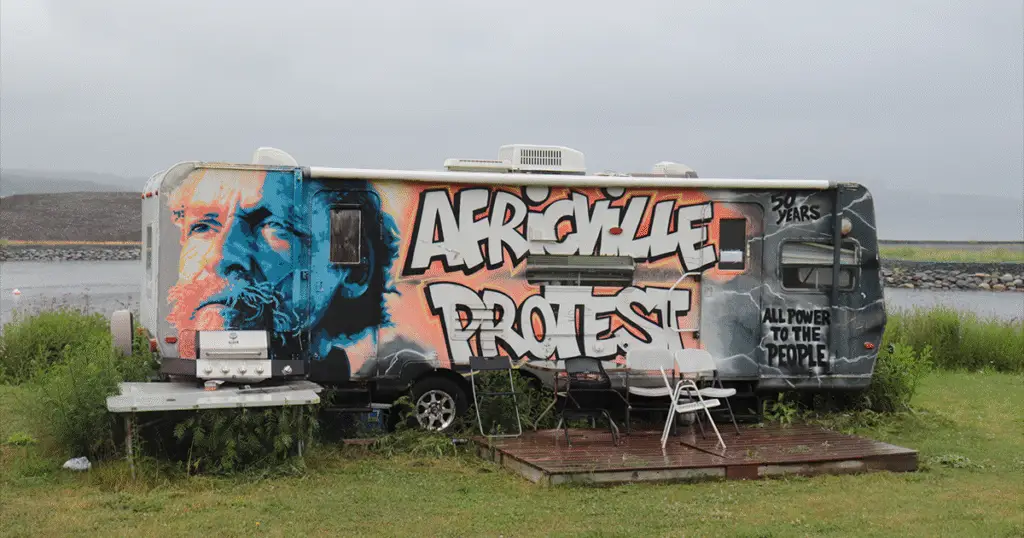
This past year, renewed legal efforts from original Africville residents and descendants, such as Eddie and Victor Carvery, have pushed back into court to seek justice that was never fully delivered. These are not just symbolic gestures. These are legal actions with real implications for land reclamation and financial redress.
Dartmouth mother of two felt “bullied” into signing fixed-term lease in Ocean Breeze
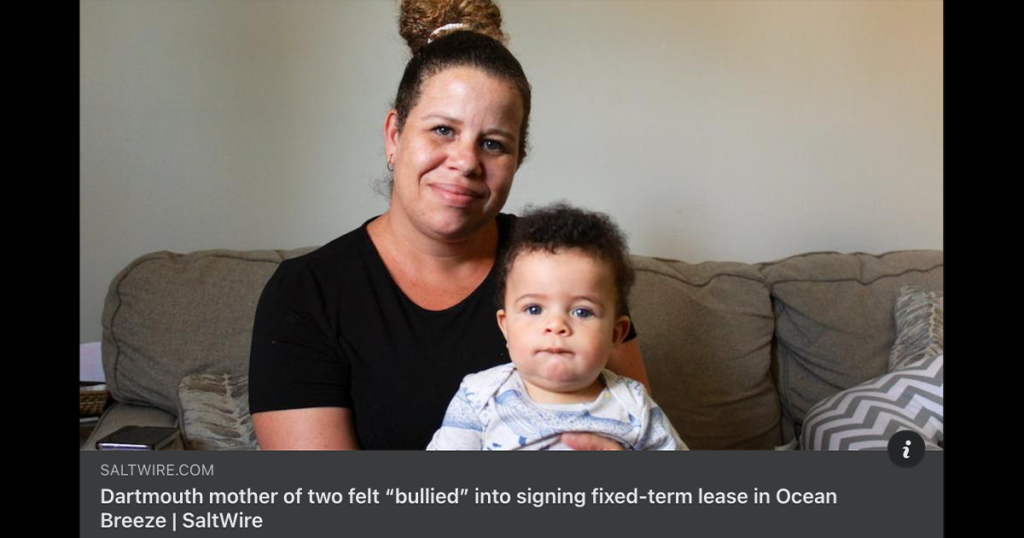
When Destiny Beals moved into her apartment in Ocean Breeze, she expected to be able to stay and live with her family for a few years.
According to Beals, Universal Property Management, a realty group managing leasing agreements in Ocean Breeze, told her and other residents not to worry about the details of their fixed-term leases, and that construction would not impact them for years to come.
“It felt like I was being bullied and pressured,” Beals said in an interview. “We are literally just being thrown to the wolves right now. We have no recourse.”
VIDEO: Suzy Hansen responds to Karla MacFarlane’s comments about homeless tents in HRM
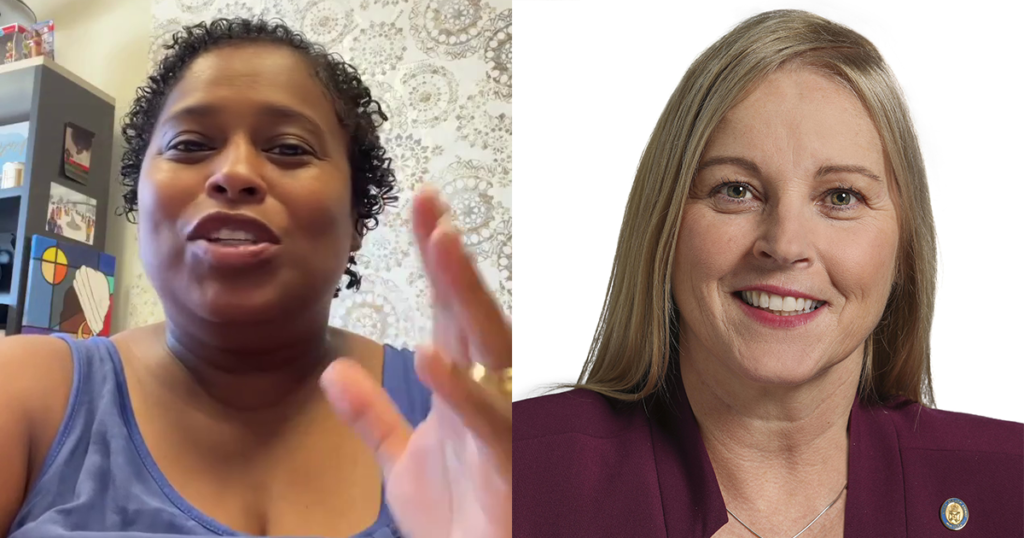
NDP MLA Suzy Hansen took to social media Friday to respond to comments Community Services Minister Karla MacFarlane made on Thursday regarding the increasing visibility of homeless tents in HRM.
Stats Canada data show income, housing disparities between Black, white Nova Scotians [INFOGRAPHICS]
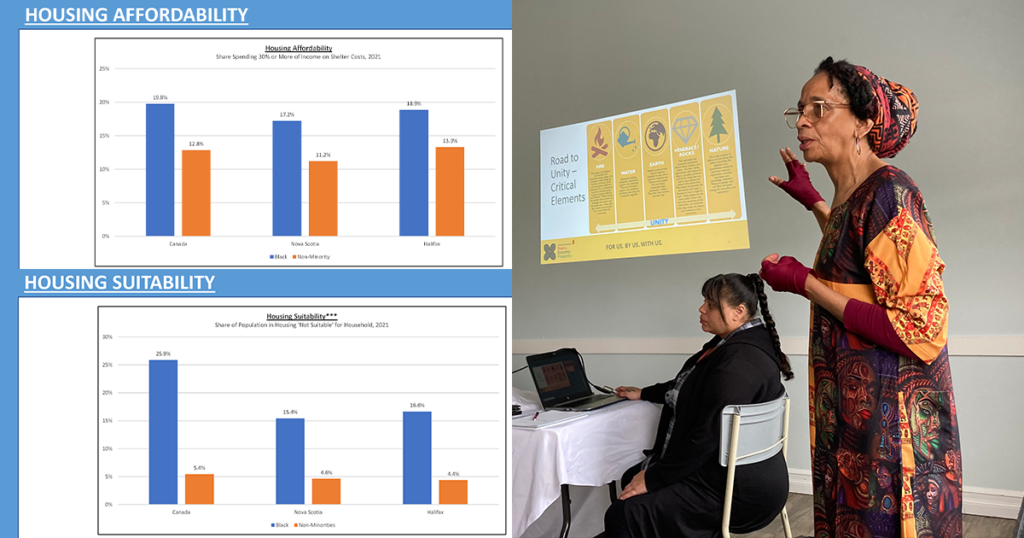
New infographics drawing on Statistics Canada data illustrate long-standing disparities in income, housing, and affordability affecting Black Nova Scotians, even as the province’s Black population continues to grow.
Grads of Africadian Empowerment Academy find pathway to success with Red Seal certification
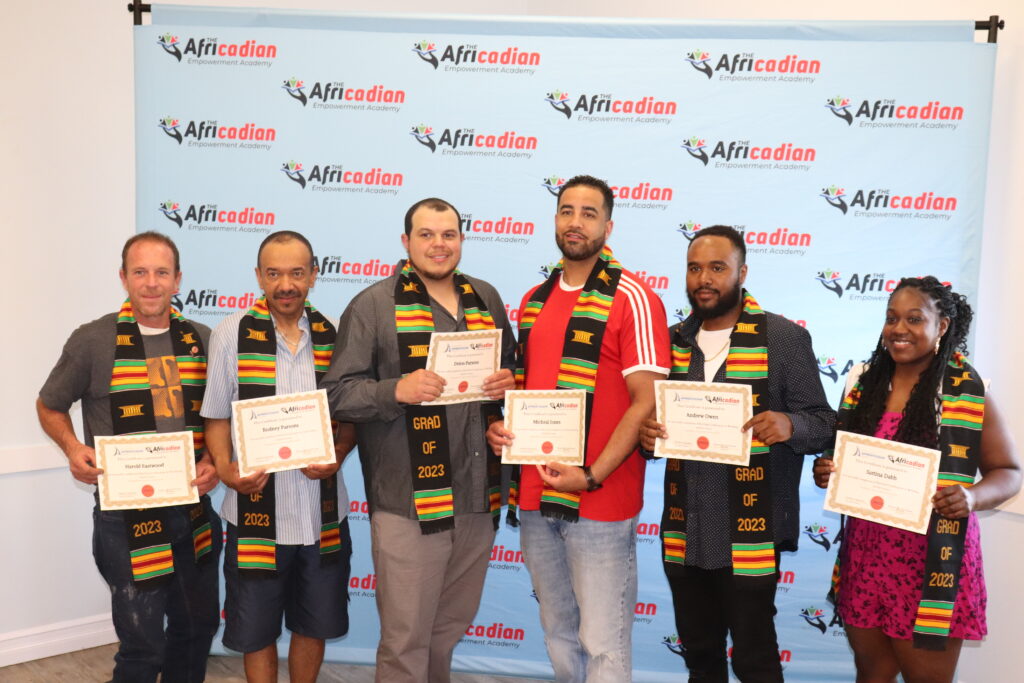
Ten students received their Red Seal certifications in skilled trades this year by taking part in the Africadian Empowerment Academy.
The students were honoured at an event dubbed Pathway to Success, which was hosted by the academy on Friday evening.
Upper Hammonds Plains believed to be spared from wildfire damage thus far: Pastor Lennett Anderson [AUDIO]
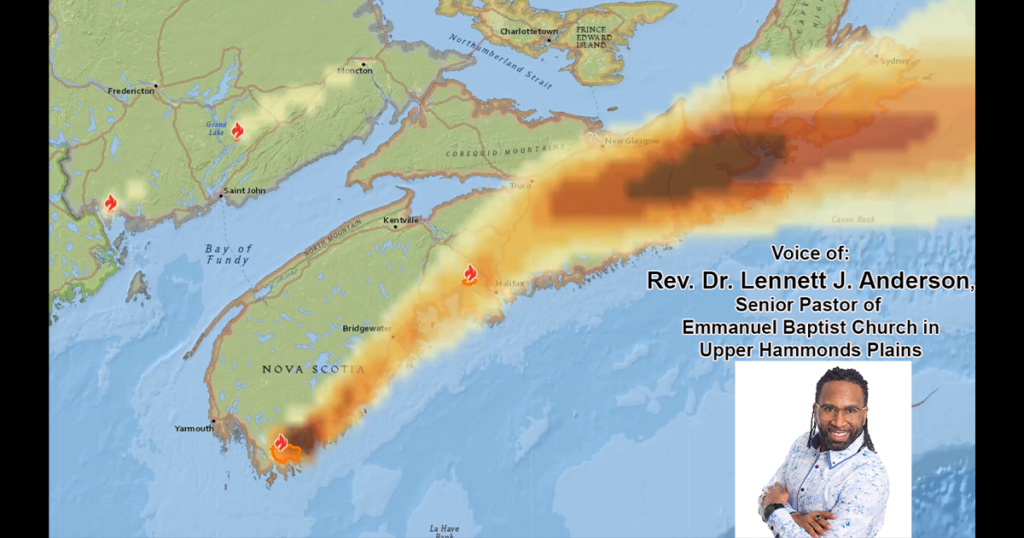
As a wildfire continues to burn in Tantallon and Hammonds Plains, Pastor Lennett Anderson of Emmanuel Baptist Church said he believes there is, thus far, no fire damage to any homes or structures in the Black community of Upper Hammonds Plains.
“Today they’re reporting over 200 homes [damaged] in the Hammonds Plains, Tantallon region. Thankfully no damage is being heard of in the community of Upper Hammonds Plains. But the smoke has really built up today,” said Anderson.
Council downzones historic Black community to stop ‘Wild Wild West of development’
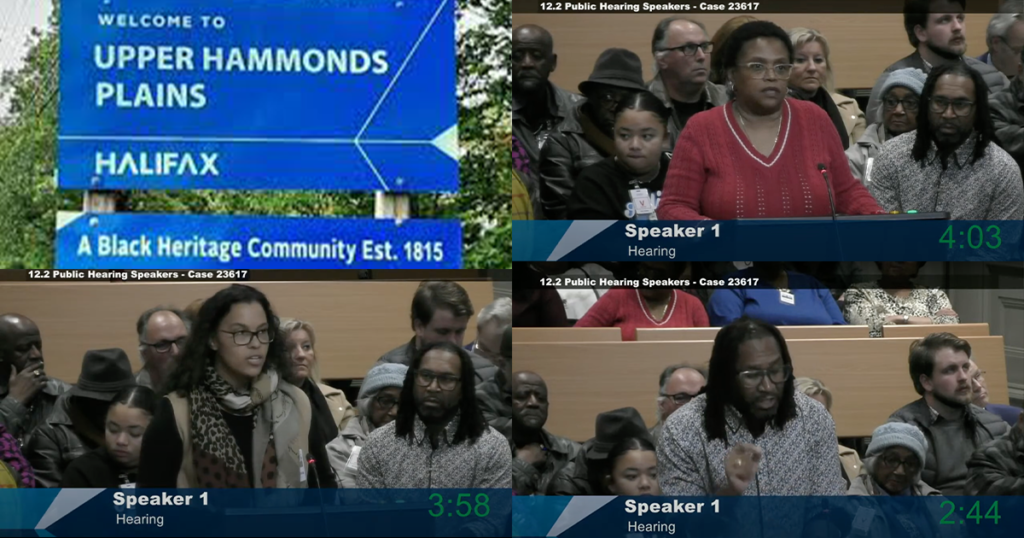
HRM’s sign at the entrance to Upper Hammonds Plains. Credit: HRM Halifax Examiner — Limits have been placed on development in a historically Black community outside of Halifax after a vote at Halifax regional council this week. Community members from Upper Hammonds Plains packed council chambers for a public hearing Tuesday night, where many spoke after an […]
Community land trusts could mean more affordable housing for Preston, advocates say
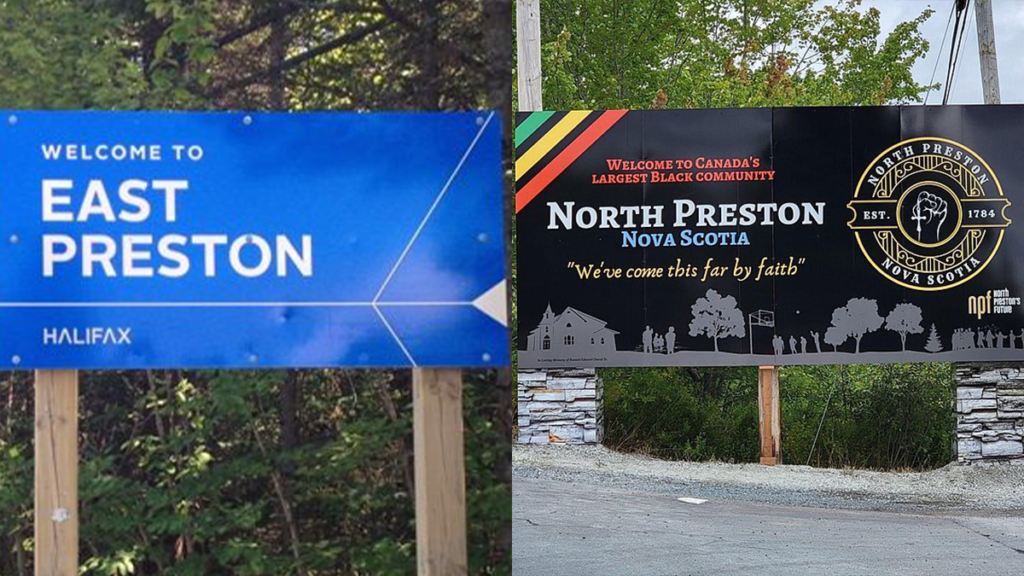
“I don’t know that they’re entirely interested in community land trusts for all the community support benefits that come along with it. They’re really interested in it as a way to get affordable housing built. As long as you set yourself up to give government confidence, I think there very likely could be community investments in community land trusts to make these things happen.”