
That Hockey Photo Keeps Circulating. Let’s Get the History Right.

A photo from the Colored Hockey League of the Maritimes often circulates online with the claim that runaway slaves invented ice hockey in Canada. The image is real, the caption is not. Here’s why the timeline, geography, and documented history tell a more accurate and more powerful story about Black hockey in Nova Scotia.
THE ROOTS OF BLACK HISTORY MONTH CELEBRATIONS IN NOVA SCOTIA

Before Black History Month became a province-wide fixture in Nova Scotia, it was built through grassroots organizing, youth leadership, and public library programming. This historical account—originally shared by the Black Artists Network of Nova Scotia (BANNS / BANS)—documents the early origins of Black History Week and the community-driven efforts that helped expand it into what it is today. Preserved here as originally written, the text offers a reminder that Black History Month in Nova Scotia was shaped from the ground up, long before it was institutionalized.
$2 Million Investment Strengthens Black Community Land Trusts Across Nova Scotia

Across Nova Scotia, African Nova Scotian communities are reclaiming land as a foundation for housing, culture, and long-term stability. A new $2-million investment in four Community Land Trusts — in Truro, North End Halifax, Upper Hammonds Plains, and Weymouth Falls — is helping strengthen Black-led approaches to land stewardship rooted in history, accountability, and intergenerational care.
Mapping Black Canada: Donna Paris on Migration, Memory, and Erased Communities [VIDEO]

From Africville to the Prairies, Donna Paris traces the Black communities Canada encouraged, exploited, and then erased. In this interview, she explains why recovering these stories isn’t about nostalgia — it’s about correcting the record.
Environmental Racism in Nova Scotia: What Was Promised, What Was Withheld, and What Black Communities Should Take From It

For months, Nova Scotians heard about a provincial report on environmental racism not because it was released, but because parts of it leaked. When the government finally posted a draft, it raised more questions than it answered — about delay, accountability, and what justice actually looks like for Black and Mi’kmaq communities still living with the consequences. This piece breaks down what happened, why it matters, and what Black Nova Scotians should be watching for next.
The Unsung Hero of the Halifax Explosion: Dr. Clement Courtenay Ligoure (1887-1922)
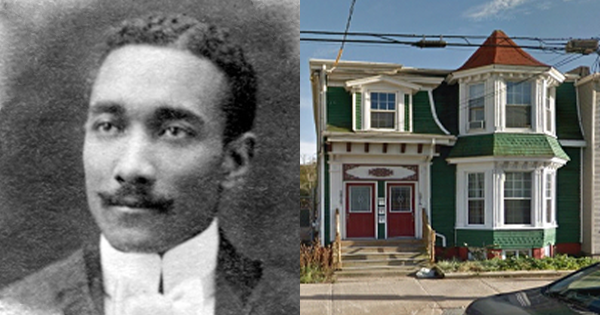
Long before Halifax rebuilt itself after the Explosion, Dr. Clement Ligoure was already doing the work—treating the injured by lamplight from a small private hospital on North Street. He never turned anyone away. He never closed his doors. And yet, for decades, his name was missing from the city’s official memory of that day.
Quebec Man Confronted at Historic Black Monument in New Glasgow

Yesterday morning, a white man was confronted by a group of Black community members at the Afrocentric Heritage Park Monument in New Glasgow after several ropes were strung across the structure, holding what appeared to be blankets or towels — laundry — on a monument built to honor the African Nova Scotian community, its history, and its ancestors.
Africville Reunion Shooting: In Advance of the One-Year Anniversary
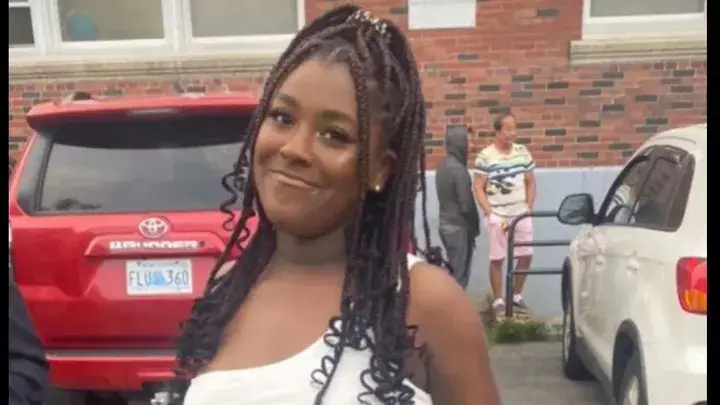
As the one-year anniversary of the Africville Reunion shooting approaches, this piece reflects on the 2024 incident that left five people injured, including 17-year-old Chrishia Carvery, who was paralyzed. It also notes the ongoing lack of arrests and the community’s continued calls for healing and accountability.
Stats Canada data show income, housing disparities between Black, white Nova Scotians [INFOGRAPHICS]
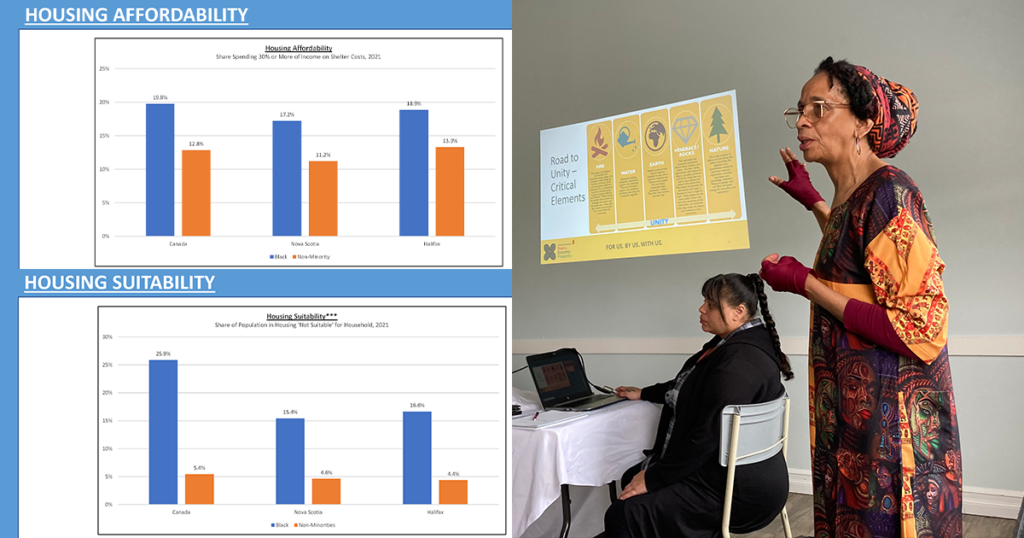
New infographics drawing on Statistics Canada data illustrate long-standing disparities in income, housing, and affordability affecting Black Nova Scotians, even as the province’s Black population continues to grow.
Halifax constable referred to restorative justice for 2020 assault on Black teen [VIDEO]
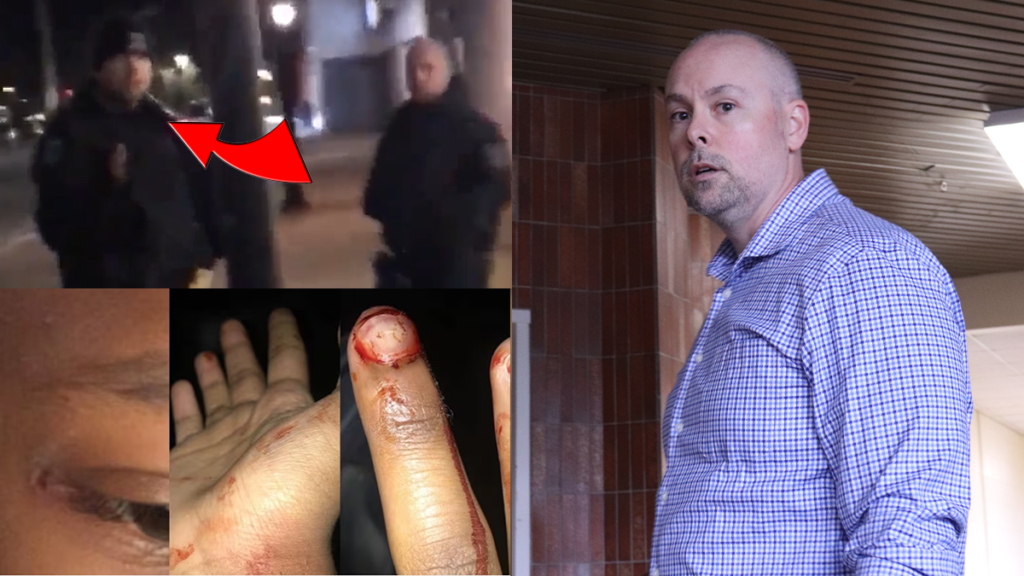
Halifax police constable Mark Pierce was referred to restorative justice after being charged in connection with the 2020 assault of a 15-year-old Black teenager in Bedford. The case followed a Serious Incident Response Team investigation and did not proceed to trial.