Reparations Park, Revisited: How a Community Project Became a Naming Contest
In May 2025, a public space at the corner of Ford and Robie streets in Truro was unveiled through ceremony, prayer, and community gathering.
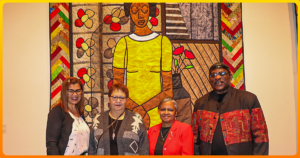
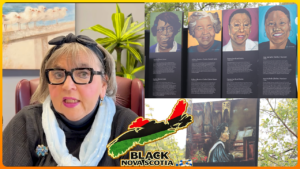
Five African Nova Scotian women were honoured with permanent public portraits:
Martha Eleanor Jones
Willena Beatrice (Corbin Gabriel) Jones
Donna Lee Byard Sealey
Ann Michelle (“Shelley”) MacLean
Vera (Halfkenny) Clyke
Four were trailblazing educators who broke racial barriers in Nova Scotia’s schools. One was a long-serving organist and cultural anchor at Zion Baptist Church. Together, they represent generations of Black women whose labour shaped communities that were rarely acknowledged in official public space.
The project was initiated in 2019 by the Nova Scotia Women’s History Society, researched and funded through years of volunteer labour, and carried out in partnership with the Truro Community Enhancement Association and local African Nova Scotian community members. The Town of Truro contributed site upgrades and infrastructure.
At the ribbon-cutting ceremony, the site was publicly referred to as Reparations Park. The Mayor attended and spoke. Elders and descendants were present. The name was used openly and without caveat. For months afterward, nothing was communicated to suggest the name was provisional or under review.
Then came the contest.
On December 1, 2025, the Town of Truro launched a public naming contest for the park, inviting submissions from the general public and framing the process as one of transparency and inclusion. The original project partners were not acknowledged in the announcement, nor was the fact that the park had already been publicly named through ceremony.
The Nova Scotia Women’s History Society publicly objected, describing the contest as an erasure of both process and community decision-making. They called on the Town to cancel the contest and stand by the name that had already been chosen with care.
Instead, the contest was reposted.
What the Town says
In response to mounting criticism, the Mayor released a video statement emphasizing that:
Only Town Council can officially name a park;
The park had not yet been formally named;
Concerns had been raised by community members and descendants about the name “Reparations Park”;
Further consultation was therefore required.
The African Nova Scotian Community Strategy Committee (ANSCSC), which advises council, has since said it will narrow submissions to three or four names, hold a vote, and make a recommendation to council, with the final name to be announced during African Heritage Month.
The committee has also stated publicly that Reparations Park will be one of the names considered.

What remains unresolved
Even taking the Town’s position at face value, several issues remain unanswered:
If the park was not meant to be named at the unveiling, why was that never stated — at the ceremony or in the months that followed?
If concerns were raised by descendants and community members, who raised them, when, and why has that feedback not been documented publicly?
Why were key project partners and families not consulted before launching a public contest?
Why reopen a community-led decision after it had already been publicly presented as complete?
Process matters most before a ribbon is cut, not six months later.
There is also a broader concern about consistency. Truro does not typically subject other parks to post-hoc naming contests months after public unveilings. That inconsistency is part of why this situation has generated confusion, frustration, and division.
Why this isn’t just about a name
This moment is bigger than signage.
It raises questions about whether Black communities are trusted to name their own histories — or only invited to participate once decisions are reopened and authority reasserted.
“Reparations” was not chosen casually. It speaks to repair: for segregated schooling, for systemic exclusion, for erased histories, and for the unpaid labour of Black women whose contributions shaped Nova Scotia while being denied recognition.
Reframing that choice as something that now requires broader approval inevitably shifts the power dynamic — whether intended or not.
What happens next
The Town of Truro’s public naming process for the park at Ford and Robie Streets — initially introduced to the public last spring under the name Reparations Park — remains open until January 9, 2026.
Submissions will be reviewed by the African Nova Scotian Community Strategy Committee, narrowed, and brought to council.
You can read the Town’s contest details and submit a name here:
[Help Us Name Our Community Park!]