
Questions remain as Shelburne landfill decommissioning continues
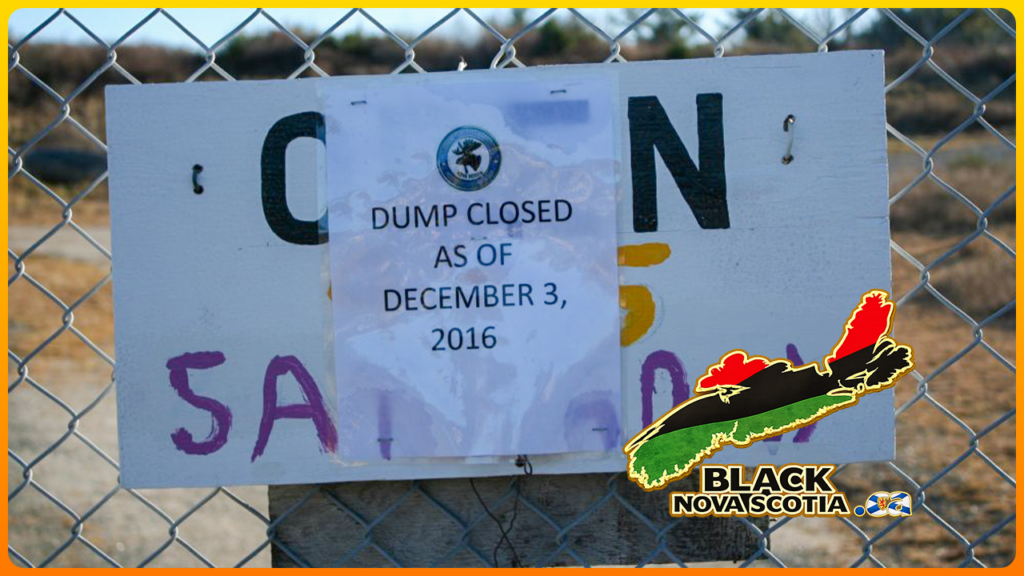
A new statement from the Centre for Environmental Justice Society calls for additional groundwater testing, independent scientific review and greater transparency as work continues to decommission the former Morvan Road landfill in Shelburne. The discussion has also renewed debate about the community’s history, environmental racism and the long-term impact of the former dump on one of Nova Scotia’s historic African Nova Scotian communities.
AUBA Launches New Website Ahead of 173rd Annual Conference
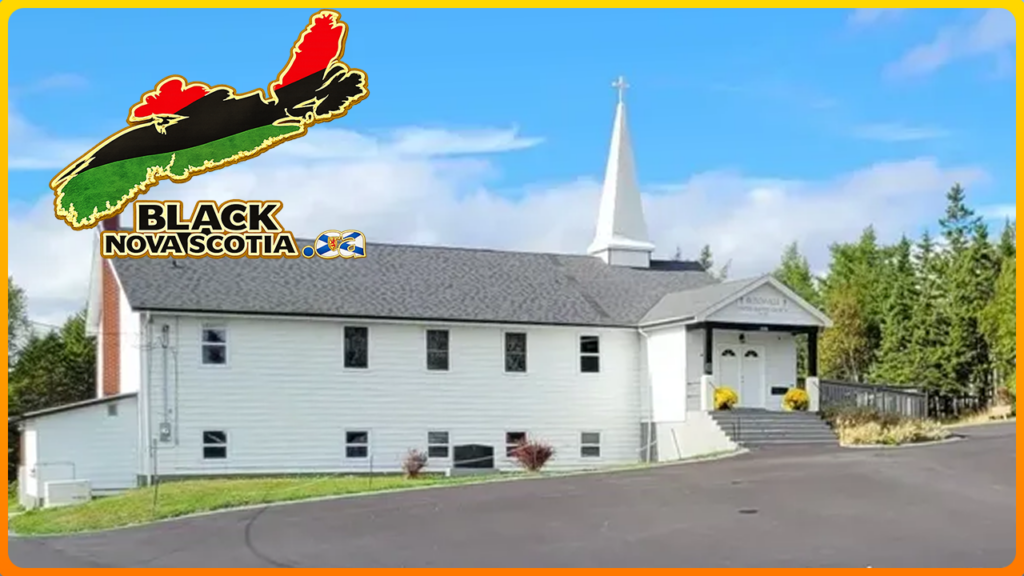
The African United Baptist Association of Nova Scotia has launched a redesigned website ahead of its 173rd Annual Conference, scheduled for August 14–16 in Beechville. The new site offers improved navigation while serving as a hub for conference information, member churches, news, and resources.
Transition Year Program welcomes new director, seeks alumni for orientation panel

Dalhousie University’s Transition Year Program has welcomed Rachelle McKay as its new director while preparing to welcome 26 new students this fall. The program is also inviting TYP alumni to participate in a graduate panel during its new two-day orientation, offering an opportunity to inspire the next generation of students.
New Directory Highlights Black Therapists and Mental Health Supports Across Nova Scotia
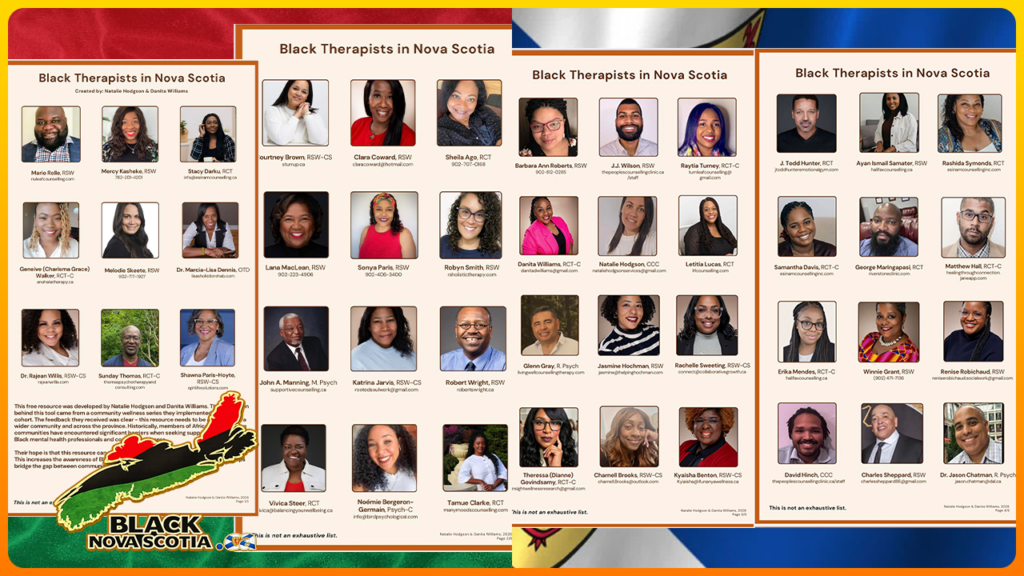
A new directory developed by Natalie Hodgson and Danita Williams highlights Black therapists, mental health professionals, and community support organizations serving African Nova Scotian and Black communities across Nova Scotia. The resource aims to improve awareness, accessibility, and connection to culturally responsive mental health services throughout the province.
A Call for Heritage — and What Happens Next
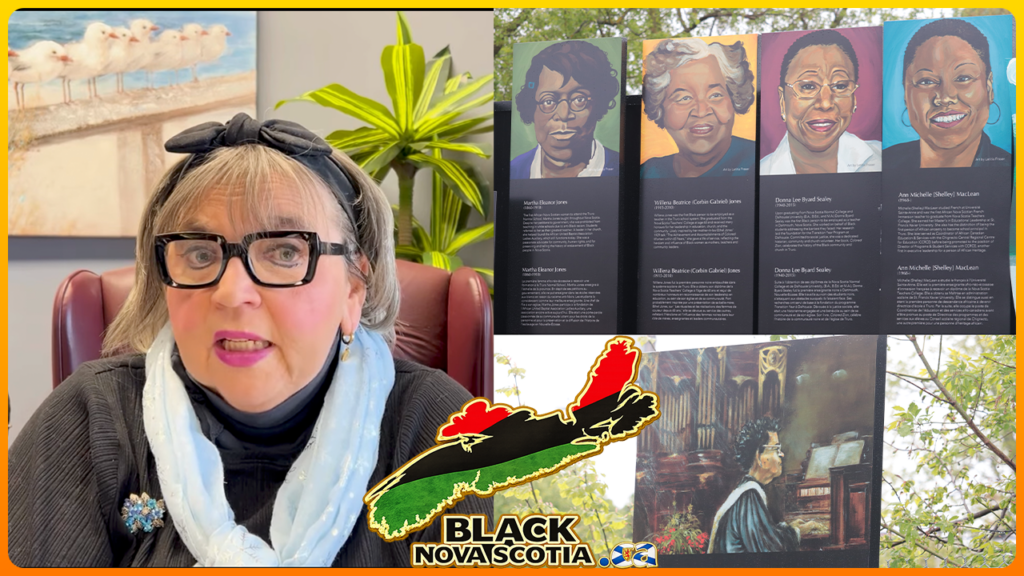
A new call for heritage nominations in Truro is raising a bigger question: how does the Town recognize history — and how does it treat it?
Less than a year after a major public installation honouring African Nova Scotian women educators was unveiled at Ford and Robie, the project became the subject of a contested naming process that left key contributors and community members questioning transparency, communication, and follow-through.
Now, as nominations open for the Town’s annual Heritage Award, that same project stands as one of the clearest examples of the kind of work the award is meant to recognize.
Submissions close April 28.
$150,000 reward in unsolved homicide of Cortrell Thomas on one-year anniversary

On the one-year anniversary of his death, a $150,000 reward has been announced in the unsolved killing of 37-year-old Cortrell Thomas in Dartmouth.
$150,000 reward in unsolved homicide of Isaac Downey in Dartmouth

A $150,000 reward is being offered in the unsolved killing of 30-year-old Isaac Downey, who was shot in Dartmouth on January 19, 2025. More than a year later, investigators believe there are still people with information who have not come forward.
Black Threads Comes to Nova Scotia: Donna Paris Brings National Black History Project Home
Donna Paris’ Black Threads of the Canadian Tapestry exhibition opens in Halifax March 21, with a Truro “Meet the Artists” event on March 26, highlighting Black Canadian stories through photography and oral history.
CACE Open Letter Warns of Generational Impact from Education Cuts

This open letter from the Council on African Canadian Education (CACE), from Feb. 27, 2026, addresses the province’s recent cuts and their impact on African Nova Scotian learners. As the body mandated to monitor and advocate for the educational rights of Black students, CACE outlines its concerns and calls for clarity, accountability, and protection of long-standing commitments to Black education in Nova Scotia.
That Hockey Photo Keeps Circulating. Let’s Get the History Right.

A photo from the Colored Hockey League of the Maritimes often circulates online with the claim that runaway slaves invented ice hockey in Canada. The image is real, the caption is not. Here’s why the timeline, geography, and documented history tell a more accurate and more powerful story about Black hockey in Nova Scotia.