
Environmental Racism Enters Liberal Leadership Race After NDP Raises Records on Becky Druhan [VIDEO]

After NDP allegations and criticism from her Liberal leadership rival, Becky Druhan says the province’s environmental racism work should have moved sooner. The question is why that position was not apparent while she was in government — or when she left it.
Public meeting Saturday to help save historic home of Nova Scotia’s first Black doctor

A public meeting is being held Saturday, November 14, to organize efforts to preserve the historic Halifax home and hospital of Dr. Clement Ligoure, Nova Scotia’s first Black physician, amid concerns over the Robie Street transportation corridor project.
Province Backs Signs for Nova Scotia’s 52 Historic African Nova Scotian Communities
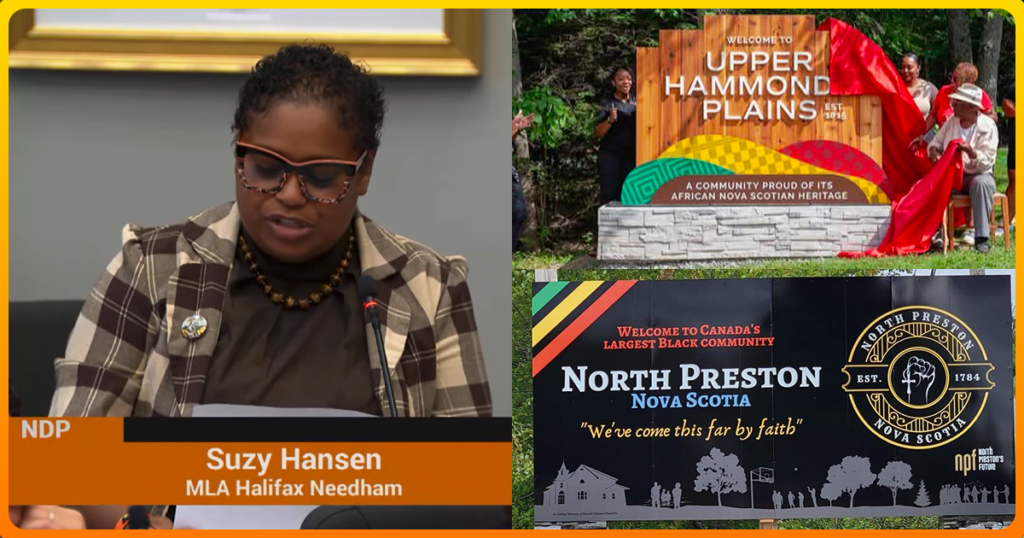
A motion calling on the Nova Scotia government to help erect entrance signs in all 52 historic African Nova Scotian communities has passed unanimously in the House of Assembly.
Nova Scotia Releases Annual Anti-Racism Report
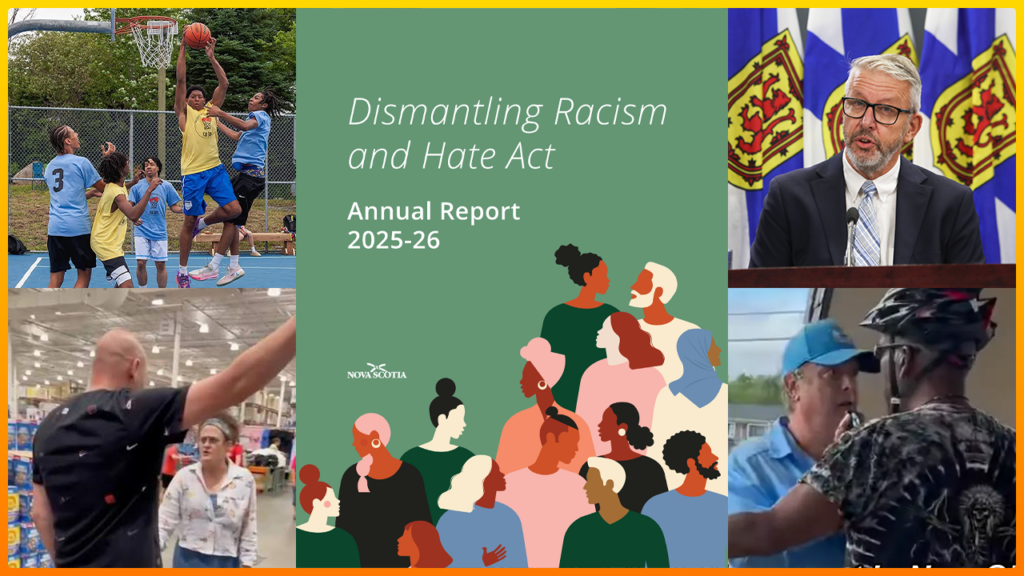
The Nova Scotia government has released its latest annual report under the Dismantling Racism and Hate Act. Here’s a breakdown of what the report says, what it leaves out, and the questions Black Nova Scotians should continue asking about equity, accountability, and measurable progress.
$150,000 reward in unsolved homicide of Cortrell Thomas on one-year anniversary
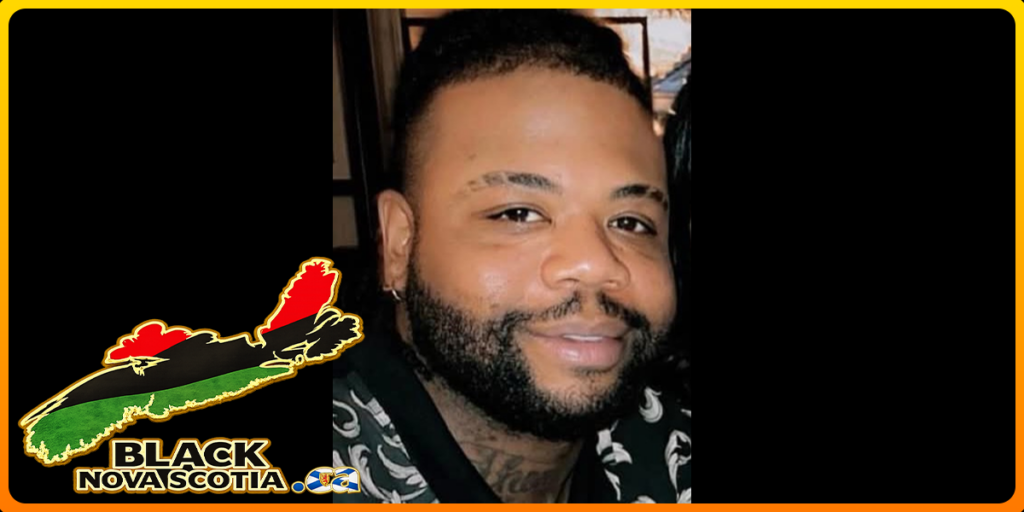
On the one-year anniversary of his death, a $150,000 reward has been announced in the unsolved killing of 37-year-old Cortrell Thomas in Dartmouth.
$150,000 reward in unsolved homicide of Isaac Downey in Dartmouth

A $150,000 reward is being offered in the unsolved killing of 30-year-old Isaac Downey, who was shot in Dartmouth on January 19, 2025. More than a year later, investigators believe there are still people with information who have not come forward.
CACE Open Letter Warns of Generational Impact from Education Cuts

This open letter from the Council on African Canadian Education (CACE), from Feb. 27, 2026, addresses the province’s recent cuts and their impact on African Nova Scotian learners. As the body mandated to monitor and advocate for the educational rights of Black students, CACE outlines its concerns and calls for clarity, accountability, and protection of long-standing commitments to Black education in Nova Scotia.
What’s Being Cut — and Why Black Nova Scotians Should Pay Attention

As Nova Scotia announces budget cuts affecting programs like Dalhousie’s Transition Year Program and initiatives supporting Black and Mi’kmaq students, questions are piling up faster than answers. With African Heritage Month events taking place this weekend, Black Nova Scotians are being asked to celebrate progress while watching programs built to address long-standing inequities quietly lose public funding.
A state of emergency, a new department, and an old problem Nova Scotia refuses to face

When Sipekne’katik First Nation declared a state of emergency over illicit drug use and overdoses, it exposed a quiet but telling gap in Nova Scotia’s governance. A department created under Premier Tim Houston specifically to address mental health and addictions had not yet reached out to the community, even as the declaration spread publicly. The moment landed against the backdrop of earlier tensions — including the banning of Houston and two ministers from Sipekne’katik lands — raising broader questions about how the province engages marginalized communities when public health crises emerge.
Africville Is Not Finished: A Call for Ongoing Presence at Eddie Carvery’s Trailer

Eddie Carvery’s passing does not bring closure to Africville’s story. If anything, it sharpens the responsibility to ensure that the unfinished business of Africville does not fade with him.