
Nova Scotia Releases Annual Anti-Racism Report
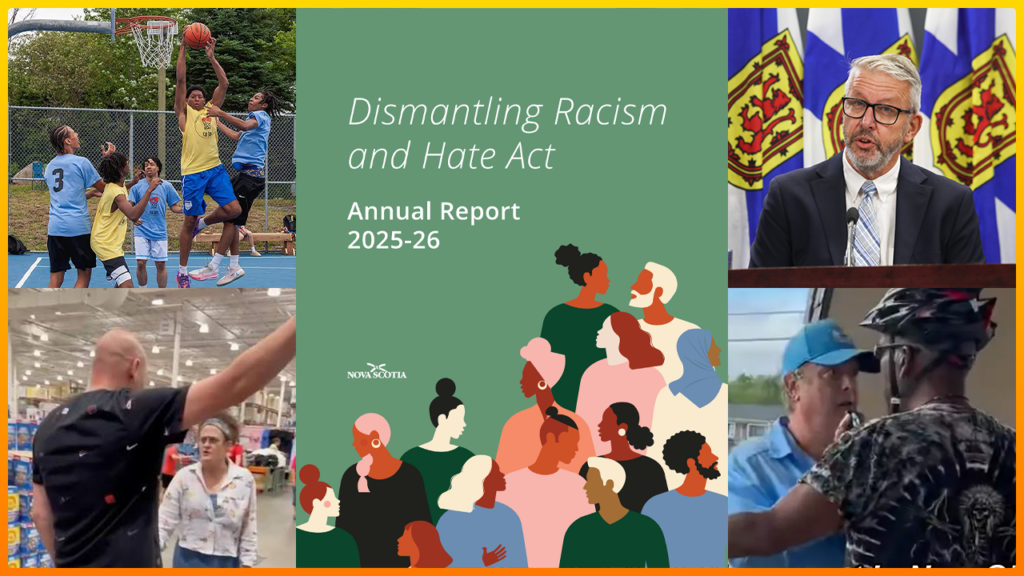
The Nova Scotia government has released its latest annual report under the Dismantling Racism and Hate Act. Here’s a breakdown of what the report says, what it leaves out, and the questions Black Nova Scotians should continue asking about equity, accountability, and measurable progress.
Environmental Racism in Nova Scotia: What Was Promised, What Was Withheld, and What Black Communities Should Take From It

For months, Nova Scotians heard about a provincial report on environmental racism not because it was released, but because parts of it leaked. When the government finally posted a draft, it raised more questions than it answered — about delay, accountability, and what justice actually looks like for Black and Mi’kmaq communities still living with the consequences. This piece breaks down what happened, why it matters, and what Black Nova Scotians should be watching for next.
Who/What is “African Nova Scotian”?

Across Nova Scotia, Black communities share rhythms, memories, and histories — but often remain disconnected from one another. This reflection looks at why that is, who benefits from it, and what solidarity could look like if we chose to build it.
Nova Scotia MLAs Clash Over Racism in Policing [VIDEO]

Halifax Needham MLA Suzy Hansen questioned the provincial government on October 3, 2025 about the lack of support for Truro police officer Brent Bowden, an African Nova Scotian officer on leave after an alleged racist incident. The exchange highlighted ongoing tensions around government responses to racism complaints.
Quebec Man Confronted at Historic Black Monument in New Glasgow

Yesterday morning, a white man was confronted by a group of Black community members at the Afrocentric Heritage Park Monument in New Glasgow after several ropes were strung across the structure, holding what appeared to be blankets or towels — laundry — on a monument built to honor the African Nova Scotian community, its history, and its ancestors.
Emancipation Day: A Reminder, Not a Celebration

On August 1st, we mark Emancipation Day, a date commemorating the formal abolition of slavery across the British Empire in 1834. But to merely mark the date is not enough. Emancipation Day must not become an annual checkbox of recognition – a brief news mention or a series of well-meaning speeches – while the deeper meanings and unfinished struggles it represents remain obscured or ignored.
The Africville Lawsuit – Why It Still Matters
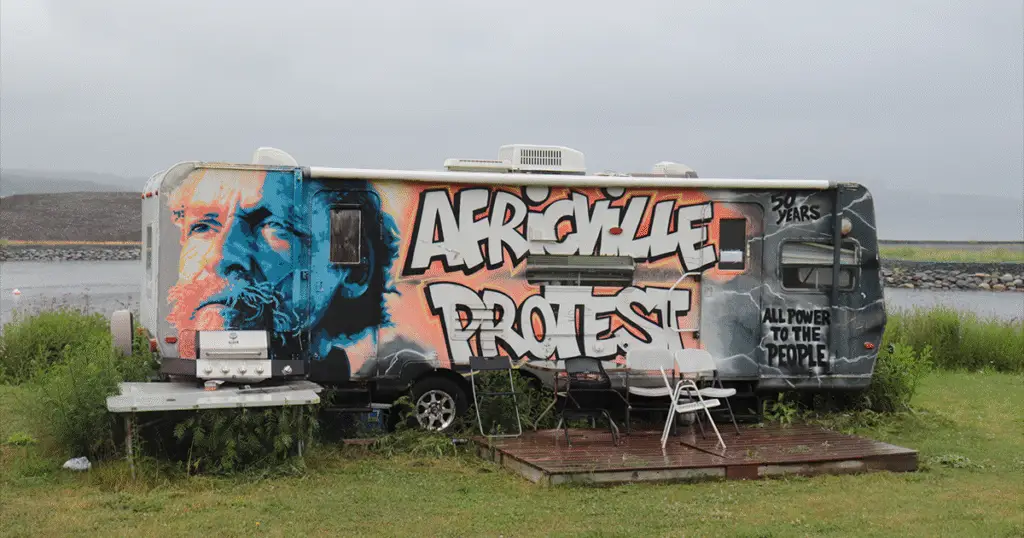
This past year, renewed legal efforts from original Africville residents and descendants, such as Eddie and Victor Carvery, have pushed back into court to seek justice that was never fully delivered. These are not just symbolic gestures. These are legal actions with real implications for land reclamation and financial redress.
Labour Board Signals Unions Can’t Ignore Racism Among Their Members
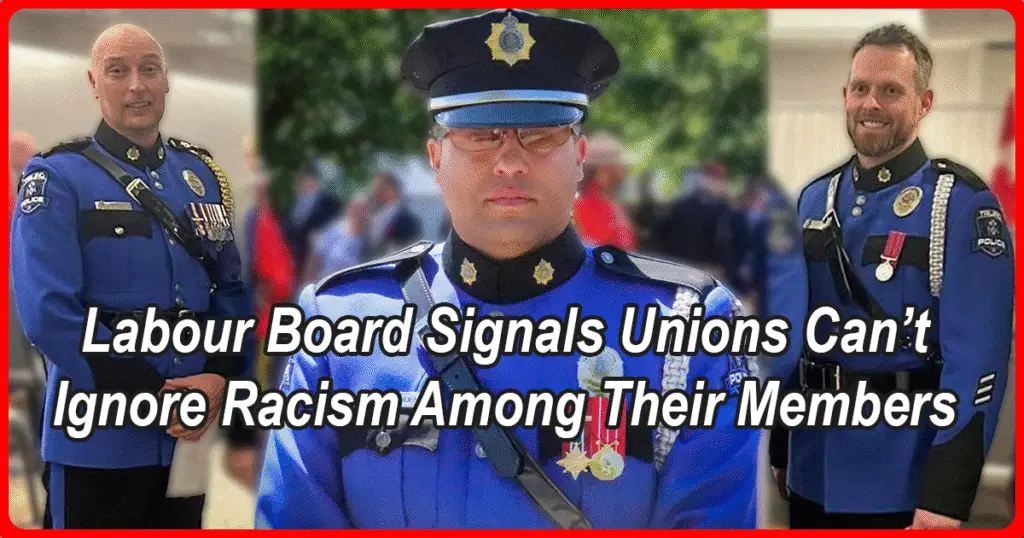
A Nova Scotia Labour Board decision has allowed Truro police constable Brent Bowden’s complaint to proceed, after he alleged his union failed to represent him following a racist incident at work. The Board found the claim timely and potentially linked to discrimination, sending the matter to a Review Officer for further review.
Institutional Inaction on Truro Police Incident Speaks Loudly to Black Nova Scotians
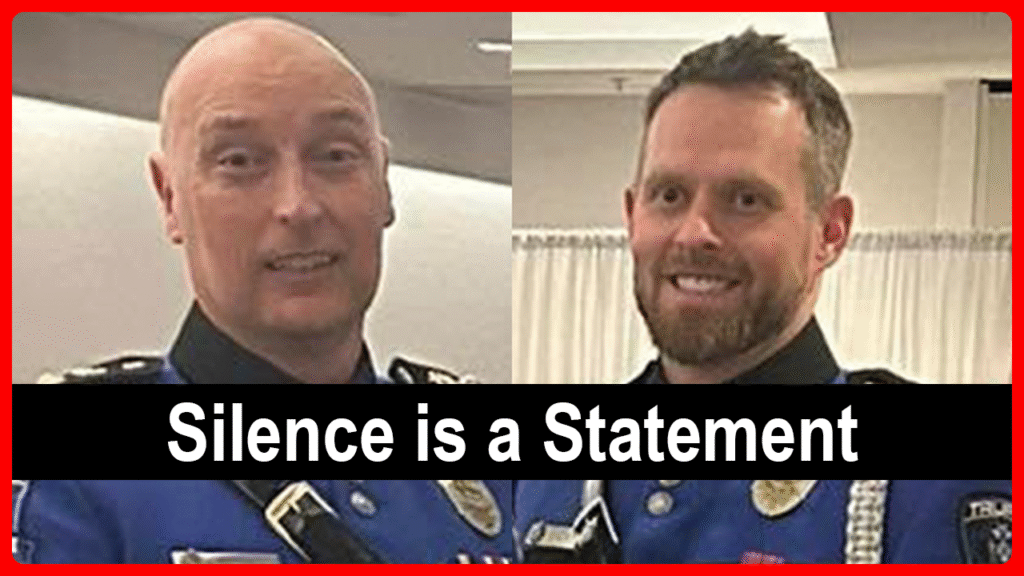
A year has passed since a deeply troubling incident within the Truro Police Service, where a white officer threw a banana peel – a gesture widely recognized as a blatant racist trope – on the personal vehicle of a Black fellow officer.