
A Call for Heritage — and What Happens Next
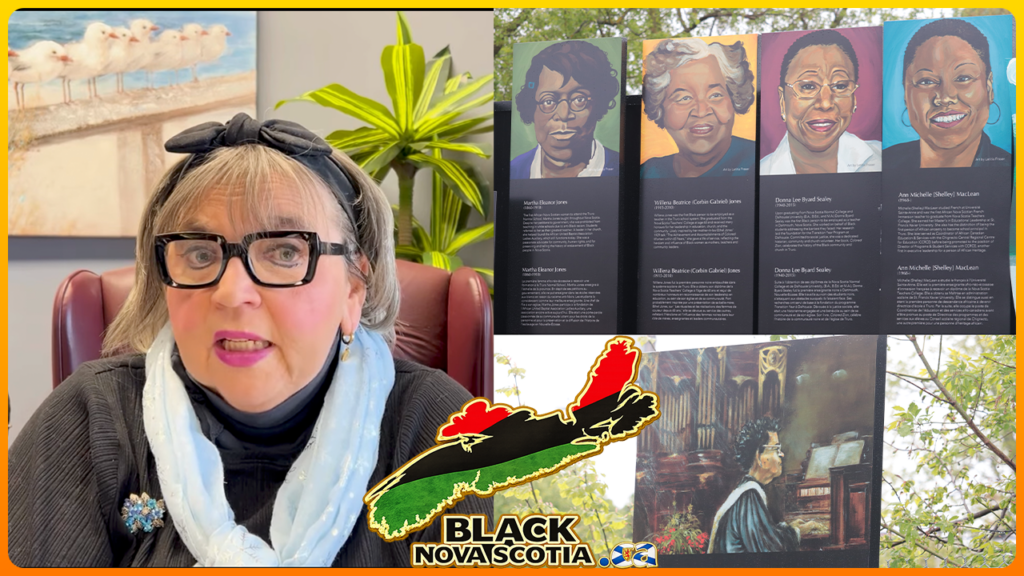
A new call for heritage nominations in Truro is raising a bigger question: how does the Town recognize history — and how does it treat it?
Less than a year after a major public installation honouring African Nova Scotian women educators was unveiled at Ford and Robie, the project became the subject of a contested naming process that left key contributors and community members questioning transparency, communication, and follow-through.
Now, as nominations open for the Town’s annual Heritage Award, that same project stands as one of the clearest examples of the kind of work the award is meant to recognize.
Submissions close April 28.
$150,000 reward in unsolved homicide of Cortrell Thomas on one-year anniversary

On the one-year anniversary of his death, a $150,000 reward has been announced in the unsolved killing of 37-year-old Cortrell Thomas in Dartmouth.
$150,000 reward in unsolved homicide of Isaac Downey in Dartmouth

A $150,000 reward is being offered in the unsolved killing of 30-year-old Isaac Downey, who was shot in Dartmouth on January 19, 2025. More than a year later, investigators believe there are still people with information who have not come forward.
Black Threads Comes to Nova Scotia: Donna Paris Brings National Black History Project Home

Donna Paris’ Black Threads of the Canadian Tapestry exhibition opens in Halifax March 21, with a Truro “Meet the Artists” event on March 26, highlighting Black Canadian stories through photography and oral history.
CACE Open Letter Warns of Generational Impact from Education Cuts

This open letter from the Council on African Canadian Education (CACE), from Feb. 27, 2026, addresses the province’s recent cuts and their impact on African Nova Scotian learners. As the body mandated to monitor and advocate for the educational rights of Black students, CACE outlines its concerns and calls for clarity, accountability, and protection of long-standing commitments to Black education in Nova Scotia.
That Hockey Photo Keeps Circulating. Let’s Get the History Right.

A photo from the Colored Hockey League of the Maritimes often circulates online with the claim that runaway slaves invented ice hockey in Canada. The image is real, the caption is not. Here’s why the timeline, geography, and documented history tell a more accurate and more powerful story about Black hockey in Nova Scotia.
What’s Being Cut — and Why Black Nova Scotians Should Pay Attention

As Nova Scotia announces budget cuts affecting programs like Dalhousie’s Transition Year Program and initiatives supporting Black and Mi’kmaq students, questions are piling up faster than answers. With African Heritage Month events taking place this weekend, Black Nova Scotians are being asked to celebrate progress while watching programs built to address long-standing inequities quietly lose public funding.
African Nova Scotian community, church leaders mourn Rev. Jesse Jackson

African Nova Scotian journalists, clergy, and community leaders reflect on Rev. Jesse Jackson’s 2009 visit to Nova Scotia in this Yahoo News–published Canadian Press article by Lyndsay Armstrong, revisiting his time at the Black Cultural Centre for Nova Scotia and its lasting local significance. Jackson died Tuesday in Chicago at age 84.
A state of emergency, a new department, and an old problem Nova Scotia refuses to face

When Sipekne’katik First Nation declared a state of emergency over illicit drug use and overdoses, it exposed a quiet but telling gap in Nova Scotia’s governance. A department created under Premier Tim Houston specifically to address mental health and addictions had not yet reached out to the community, even as the declaration spread publicly. The moment landed against the backdrop of earlier tensions — including the banning of Houston and two ministers from Sipekne’katik lands — raising broader questions about how the province engages marginalized communities when public health crises emerge.
Africville Is Not Finished: A Call for Ongoing Presence at Eddie Carvery’s Trailer

Eddie Carvery’s passing does not bring closure to Africville’s story. If anything, it sharpens the responsibility to ensure that the unfinished business of Africville does not fade with him.